The best motorcycles for beginner riders in 2026
Nine bikes we'd genuinely put a nervous beginner on — across cruiser, standard, sport and dual-sport — with honest trade-offs and a clear verdict for each. And three we'd steer you away from, however tempting.
If you're nervous, good — it means you're taking this seriously. Here's the honest truth most first-bike guides won't tell you: the biggest mistakes new riders make aren't about skill, they're about buying the wrong machine. A bike that's too tall, too heavy, or too powerful will spend every ride quietly undermining your confidence.
So we've picked for exactly the opposite. Every bike below is chosen to let you focus on learning to ride — a friendly seat height, manageable weight, smooth power, and ABS as standard or an easy option. We've grouped them by style, because the right first bike is also the one you'll actually be excited to ride. Not sure where to start? Read our first-bike buyer's guide and come back.
| Honda Rebel 300$4,749Our pick | Kawasaki Ninja 400$5,299 | Honda CB500F$6,799 | Royal Enfield Meteor 350$4,599 | |
|---|---|---|---|---|
| Category | Cruiser | Sport | Standard | Cruiser |
| Engine | 286 cc | 399 cc | 471 cc | 349 cc |
| Power | 27 hp | 45 hp | 47 hp | 20 hp |
| Seat height | 27.2" | 30.9" | 30.9" | 30.1" |
| Weight | 364 lb | 366 lb | 417 lb | 421 lb |
| ABS | Yes | Yes | Yes | Yes |
Full write-ups for all nine bikes below. Jump to a category or read the bikes to avoid.
Prices are approximate 2026 US MSRP and are rounded — confirm current pricing with a dealer. Specs are manufacturer figures and can vary by model year and trim.
Honda Rebel 300
Our overall pick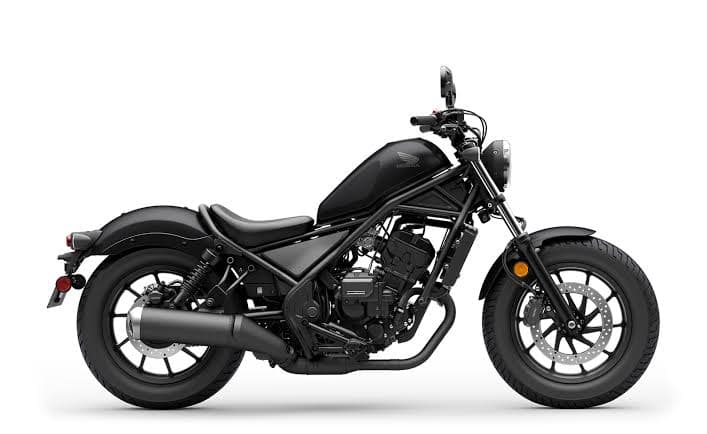
If you asked us to put one bike under a rider who is genuinely anxious, it's this one. The Rebel's seat sits at just 27 inches, so almost everyone can plant both feet flat at a stop — and that single fact does more for a new rider's confidence than any spec sheet. The 286cc single is smooth, torquey low down, and completely unintimidating.
It's not fast, and that's the point. You'll have the headroom to think about your mirrors, your lines, and the traffic instead of wrestling the machine. Get the ABS version — it's a small premium that's genuinely worth it.
- The lowest, most confidence-inspiring seat here
- Light, flickable, and easy to manage at walking pace
- Cheap to buy, insure, and run; strong resale
- You may want a little more highway punch within a year or two
- One-up focused — not a natural two-seater
Kawasaki Ninja 400
Best sport pick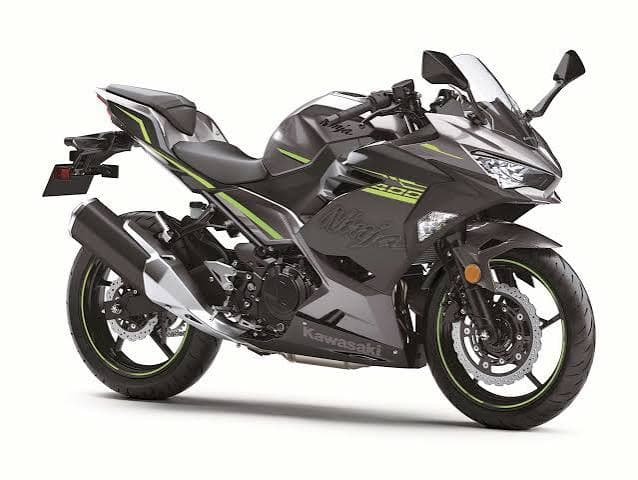
The Ninja 400 is the rare fully-faired sportbike we'll happily recommend as a first bike. The 399cc parallel-twin makes a friendly 45 horsepower with a wide, predictable spread — quick enough to keep you interested for years, gentle enough that it never feels like it's waiting to catch you out.
It's light, the riding position is sporty but not punishing, and it holds its value astonishingly well. If you love the look of a sportbike, do not talk yourself into a 600 — this is the one.
- Genuinely forgiving power you won't outgrow in a season
- Light and easy to flick through corners and traffic
- Holds resale value better than almost anything
- Sportier seating is less relaxed on long commutes
- Faired bodywork is pricier to replace after a tip-over
Kawasaki Z400
Standard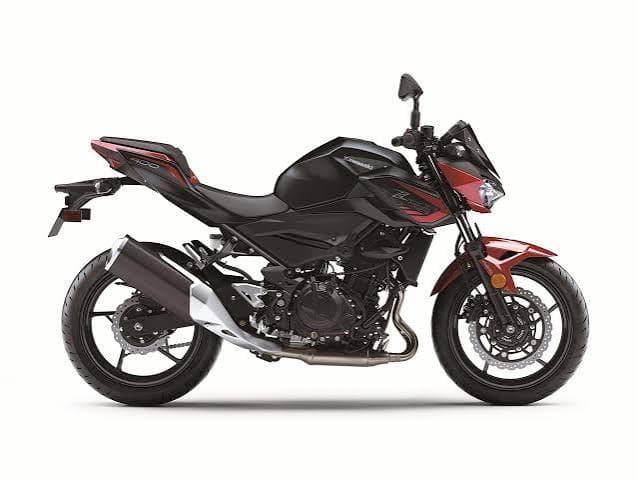
The Z400 is essentially the Ninja 400 with wide bars and no fairing — same brilliant twin, same light chassis, but an upright seating position that's kinder to your wrists and your neck around town. For most beginners who aren't set on the sportbike look, this is the smarter pick.
Naked bodywork also means fewer expensive plastics to replace if you drop it in a parking lot, which — let's be honest — you might.
- Comfortable, upright, commuter-friendly riding position
- Same approachable 45 hp twin as the Ninja 400
- Less bodywork to damage in a low-speed tip-over
- Less wind protection at highway speeds
- Styling is understated if you wanted something flashier
Yamaha YZF-R3
Sport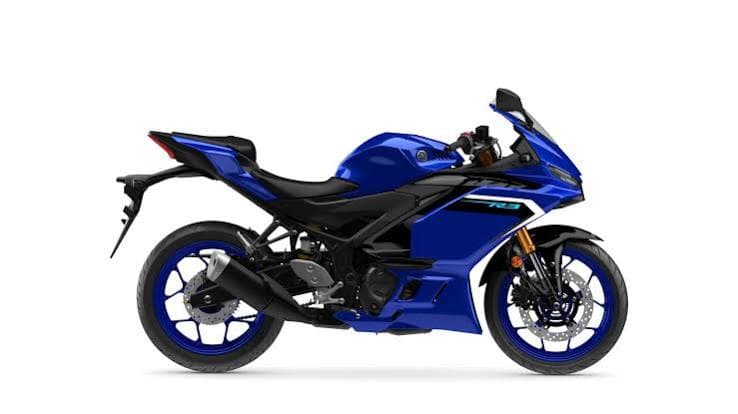
The R3 is the Ninja 400's closest rival and a lovely thing in its own right. The 321cc twin loves to rev, the seat is a touch lower, and the whole bike feels planted and friendly. It gives up a little grunt to the Kawasaki but rewards a smooth right hand.
Between this and the Ninja 400 you honestly can't go wrong — sit on both, and buy the one that fits you and the better deal.
- Smooth, eager engine that's fun without being scary
- Slightly lower seat than most sport rivals
- Excellent long-term reliability and dealer network
- A hair less midrange than the Ninja 400
- Committed sport seating on longer rides
Honda CB300R
Standard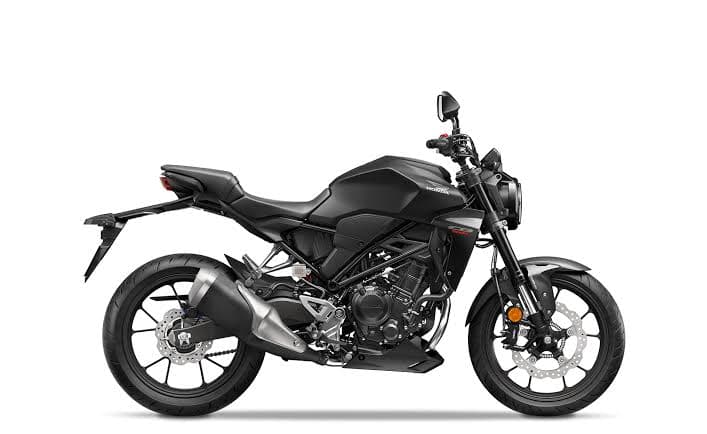
At around 316 lb ready to ride, the CB300R is one of the lightest bikes here, and it feels like it — tip it into a corner with a thought and it just goes. That lightness is a gift for a beginner: easy to paddle around, easy to pick up, easy to trust.
The neo-retro styling is gorgeous, and the single-cylinder engine is happiest darting through town. Just note the seat is a touch taller than the Rebel's.
- Wonderfully light and easy to manoeuvre
- Genuinely handsome, premium-feeling finish
- Nimble and confidence-building in the city
- Single-cylinder buzz is noticeable at highway speed
- Taller seat than the low cruisers here
Royal Enfield Meteor 350
Cruiser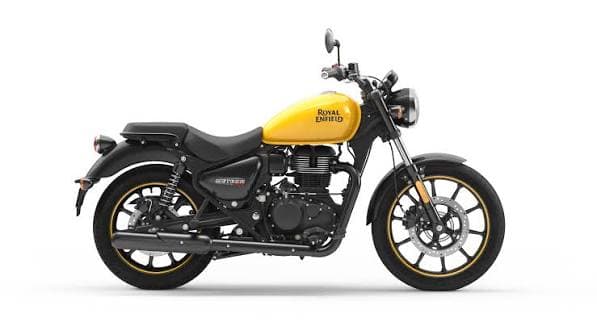
The Meteor 350 is slow, and it does not care — and neither will you once you settle into its gentle, thumping rhythm. It's the cheapest bike here, it looks like a proper little cruiser, and its long-stroke single makes riding at sane speeds genuinely lovely.
This is a bike for someone who wants to potter, enjoy the scenery, and never feel rushed. If your commute has fast highway stretches, look elsewhere — but for relaxed miles, few things this cheap feel this good.
- Lowest price here, with real cruiser charm
- Easygoing, torquey engine that's impossible to intimidate you
- Comfortable seat and relaxed ergonomics
- Genuinely slow — highway merging takes planning
- Heavier steering than the lightweights at parking speeds
Honda CB500F
Best all-rounder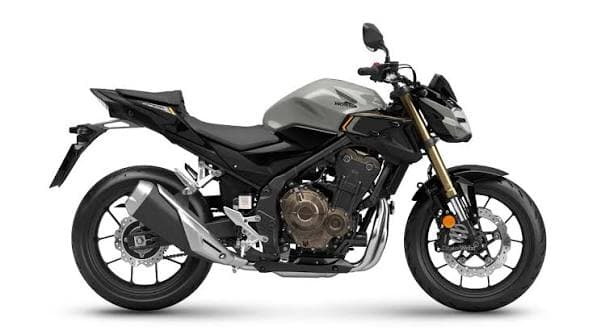
If the 300s feel like they might bore you in a year, the CB500F is the answer. The 471cc twin has real-world highway ability, the ergonomics are upright and comfortable, and Honda's build quality means it'll shrug off years of learning-curve abuse.
It's still completely beginner-friendly — smooth, predictable, and never frantic — but it has the legs to stay with you as your confidence grows. For many riders this is the sweet spot.
- Comfortable highway pace without ever feeling frantic
- Bulletproof Honda reliability and easy maintenance
- Enough performance to keep for many years
- Pricier than the 300–400s here
- A little heavier to wheel around than the lightweights
Suzuki SV650
Standard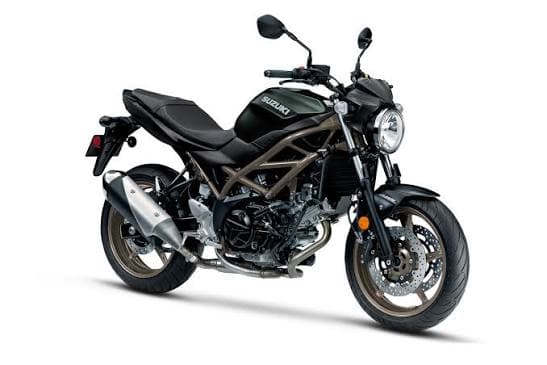
The SV650 is a legend for good reason: its 645cc V-twin is torquey, characterful, and endlessly usable. Seventy-five horsepower sounds like a lot, and it is more than the others here — but the delivery is so smooth and linear that a level-headed beginner can absolutely start here and never need another bike.
The caveat is honesty: this has real power, so it demands a respectful right hand while you learn. If you're the disciplined type, it's arguably the best-value do-it-all bike on this list. If you know you'll be tempted to wring its neck on day one, start smaller.
- Gutsy, characterful V-twin you'll never get bored of
- Comfortable, neutral ergonomics for all-day riding
- Huge used market and cheap, easy servicing
- More power than a truly nervous beginner needs
- Heavier and pricier than the 300–400 class
Honda CRF300L
Dual-sport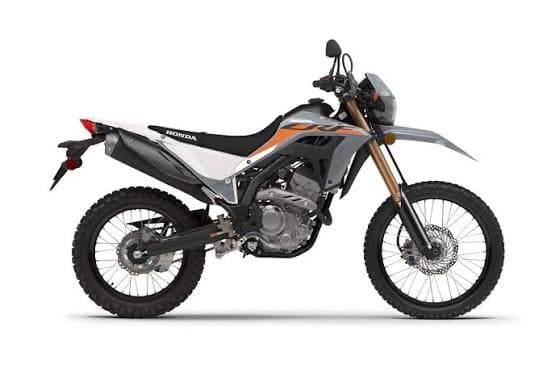
If you're tall and even a little curious about riding on dirt, the CRF300L is a joy. It's absurdly light, soft and forgiving over bumps and potholes, and its low-stress single is happy commuting during the week and exploring fire roads at the weekend.
Two real catches. The seat height — at nearly 35 inches it's the tallest bike here, so shorter riders will struggle to flat-foot. And unlike the road bikes on this list, the US CRF300L doesn't offer ABS, so smooth, deliberate braking matters more. If you have the inseam and you'll do some dirt, few bikes teach throttle and clutch control as gently.
- Extremely light and easy to pick up if it falls
- Soft suspension soaks up rough city streets
- Equally at home on pavement and dirt
- Tall seat rules it out for many shorter riders
- No ABS offered in the US — extra care needed braking on tarmac
- Buzzy and a bit breathless on long highway stretches
And three to avoid as your first bike
No judgement — we get the appeal. But these make learning harder, not more fun. Here's the honest case for waiting.
These are track weapons with brutal, peaky power and zero margin for a beginner mistake. They're harder to insure, terrifying to ride slowly, and expensive to crash — which new riders on them too often do. Learn on a 300–500, and one of these will still be waiting for you in two years, when you'll actually enjoy it.
600–800 lb of low-speed motorcycle is a lot to manage while you're still learning to balance, and dropping one is both demoralising and costly. Nothing wrong with getting there — but start on something light you can paddle around a car park without fear.
A cheap 1990s bike with no ABS and a mystery maintenance history is the last thing you want while your attention should be on riding. You'll spend your learning months fighting the bike instead of building skills. Buy something recent, reliable, and boringly dependable first.